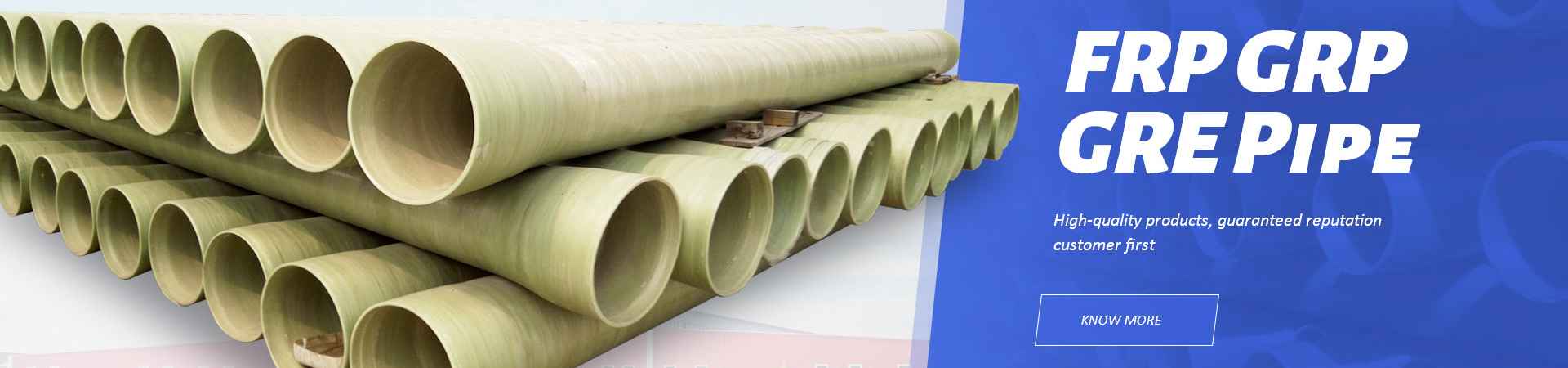

FRP rebar is manufactured using a continuous process called pultrusion, where fiberglass and resin are combined and formed into high-strength composite reinforcement bars.
Unlike traditional steel rebar manufacturing, this process is continuous, highly automated, and depends on precise control of temperature, tension, and resin curing.
The entire process converts raw fiberglass and polymer resin into durable construction reinforcement materials.
Turnkey FRP Rebar Production Line
The manufacturing process mainly includes:
Fiberglass feeding
Resin impregnation
Fiber alignment
Pultrusion curing
Surface treatment
Cooling
Cutting
This is a continuous production line process, not batch manufacturing.
Fiberglass rovings are placed on a creel system and continuously fed into the line.
Provide reinforcement fibers
Maintain continuous production flow
Ensure stable material supply
Fiber tension must remain stable to avoid defects later in production.
Fibers pass through guiding systems before entering resin bath.
Align fiber direction
Stabilize structure
Prepare for resin bonding
Proper alignment ensures uniform mechanical strength.
Fibers are fully soaked in polymer resin systems.
Vinyl Ester Resin (high corrosion resistance)
Epoxy Resin (high strength bonding)
Polyester Resin (cost-effective option)
Bind fibers together
Form composite structure
Improve durability
Poor impregnation can cause voids and weak bonding inside the product.
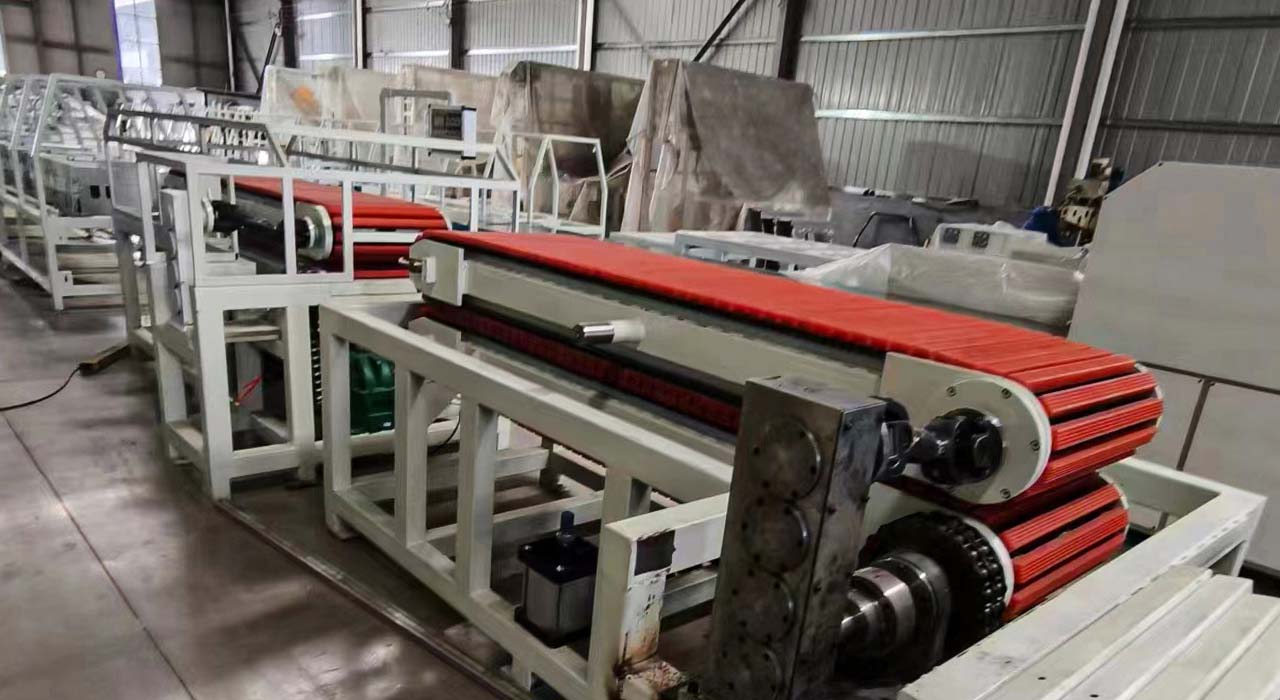
After impregnation, fibers pass through shaping guides.
Remove excess resin
Control shape formation
Prepare for curing
The material enters a heated die where curing occurs under controlled conditions.
Temperature: 120–180°C
Continuous pulling speed: 0.5–2.5 m/min
Fiber content: 70–80%
Resin hardens
Composite structure forms
Final bar shape is created
This step determines final strength and stability.
Surface structure is formed to improve bonding with concrete.
Sand coating
Helical wrapping
Ribbed surface formation
Improve concrete adhesion
Increase mechanical interlocking
After curing, the product is cooled naturally or with water.
Stabilize dimensions
Reduce internal stress
Prevent deformation
A pulling machine continuously drives the production line.
Maintain constant production speed
Synchronize curing and feeding
Ensure stable output
Continuous bars are cut into required lengths.
Automatic length control
PLC-based cutting system
High precision synchronization
6 meters
12 meters
Custom lengths
Finished products are tested for performance consistency.
Tensile strength test
Dimensional accuracy
Alkali resistance
Surface bonding strength
Quality control ensures structural reliability in construction applications.
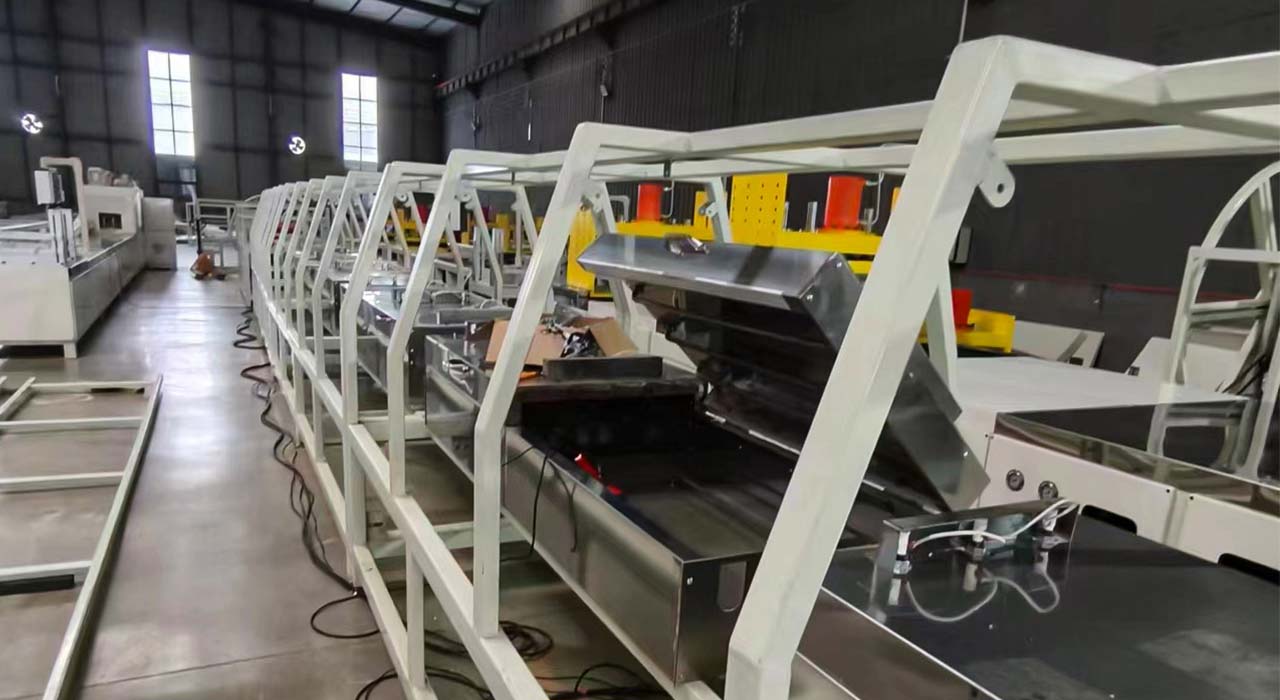
The final product depends on:
Fiber quality
Resin stability
Temperature stability
Pulling speed control
Resin impregnation quality
Die accuracy
Surface treatment consistency
Typical production problems include:
Fiber breakage
Uneven curing
Diameter inconsistency
Poor resin bonding
Surface defects
Most issues are caused by unstable process parameters.
FRP rebar is widely used in:
Bridges and highways
Marine structures
Tunnels and underground projects
Chemical plants
Power infrastructure
Coastal engineering
It is a continuous pultrusion process combining fiberglass and resin under heat and tension control.
A continuous manufacturing method where fibers are pulled through resin and a heated die to form composite materials.
Resin binds fibers together and determines durability and corrosion resistance.
It has higher tensile strength but behaves differently in structural applications.
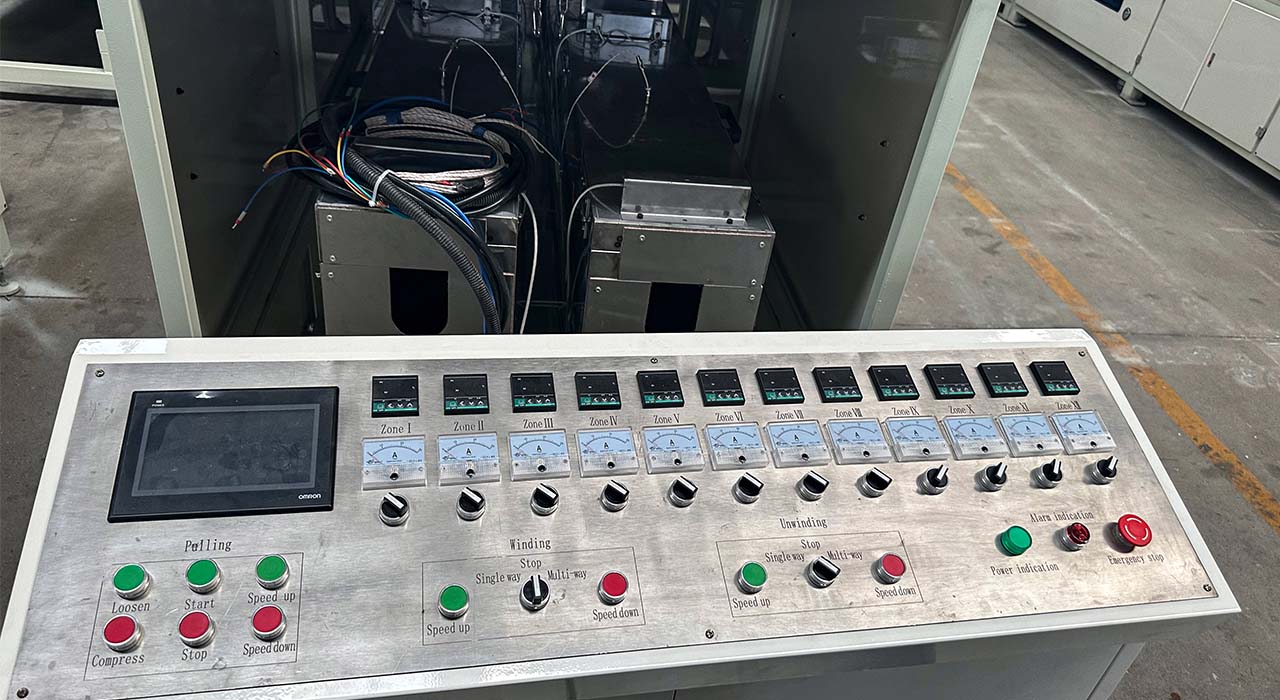
FRP rebar is manufactured through a continuous pultrusion process that integrates fiber reinforcement, resin chemistry, and thermal curing technology.
Each stage—from fiber feeding to final cutting—directly impacts product strength, durability, and construction performance.
As demand for corrosion-resistant construction materials continues to grow, FRP rebar manufacturing has become a key technology in modern infrastructure development.